Smarter Prescriptions Through Med4me Pharmacogenomics (PGx): Pharmacogenomics (PGx) is the science of how an individual’s genetic makeup influences drug response, metabolism, and effectiveness. By analyzing genetic variations, PGx testing helps predict how patients will respond to medications enabling personalized drug selection and dosage optimization. This approach reduces adverse drug reactions (ADR), improves treatment outcomes, and lowers healthcare costs, offering clinicians a powerful tool for precision medicine. PGx has applications in multiple clinical disciplines; cardiology, gastroenterology, psychiatry, transplant, neurology, and oncology.
Critical Pharmacogenomic Markers for Safer and Effective Drug Therapy: Behind every prescription is your genetic blueprint. Pharmacogenomic testing uncovers genes that affect drug metabolism and response, reducing risks, and improving efficacy. Here are some of the most important genes powering personalized treatment strategies.
CYP2D6: CYP2D6 is responsible for metabolizing a wide range of drugs, from antidepressants to opioids and beta-blockers. Genetic differences can lead to extreme variability in metabolism, impacting dosing, and therapeutic outcomes.
CYP2C19: CYP2C19 plays a critical role in activating drugs like clopidogrel and metabolizing proton pump inhibitors. Its variants can dramatically alter treatment response, making genetic testing essential for precision prescribing.
CYP2C9: CYP2C9 metabolizes approximately 10% of all drugs, including warfarin, phenytoin, non-steroidal anti-inflammatory drugs (NSAIDs), and anti-hyperglycemic sulphonyl ureas. Detecting variants of the CYP2C9 gene that cause altered enzymatic activity can identify patients who may be at increased risk of having adverse drug reactions or therapeutic failure to standard dosages of CYP2C9 substrates.
CYP3A4: CYP3A4 is a liver enzyme, which together with CYP3A5, metabolizes nearly 50% of all medications, including statins, benzodiazepines, antibiotics, and antipsychotics. Variants in CYP3A4 can alter enzyme activity, increasing the risk of adverse drug reactions at standard doses. About 4-10% of individuals carry genetic differences that reduce metabolism, making them prone to dose-dependent side effects. Identifying these variants through pharmacogenomic testing is critical for safer, personalized therapy.
The G2M Med4Me Pharmacogenomics Assay focuses on genes linked to FDA approved drugs for multiple therapeutic areas, including oncology, neurology, cardiology, tuberculosis, and more. By detecting genetic variants that influence drug metabolism, Med4Me enables precise drug selection and dosage optimization to help clinicians deliver safer, more effective, and personalized treatments.
Pharmacogenomics for Clinically Informed Drug Selection
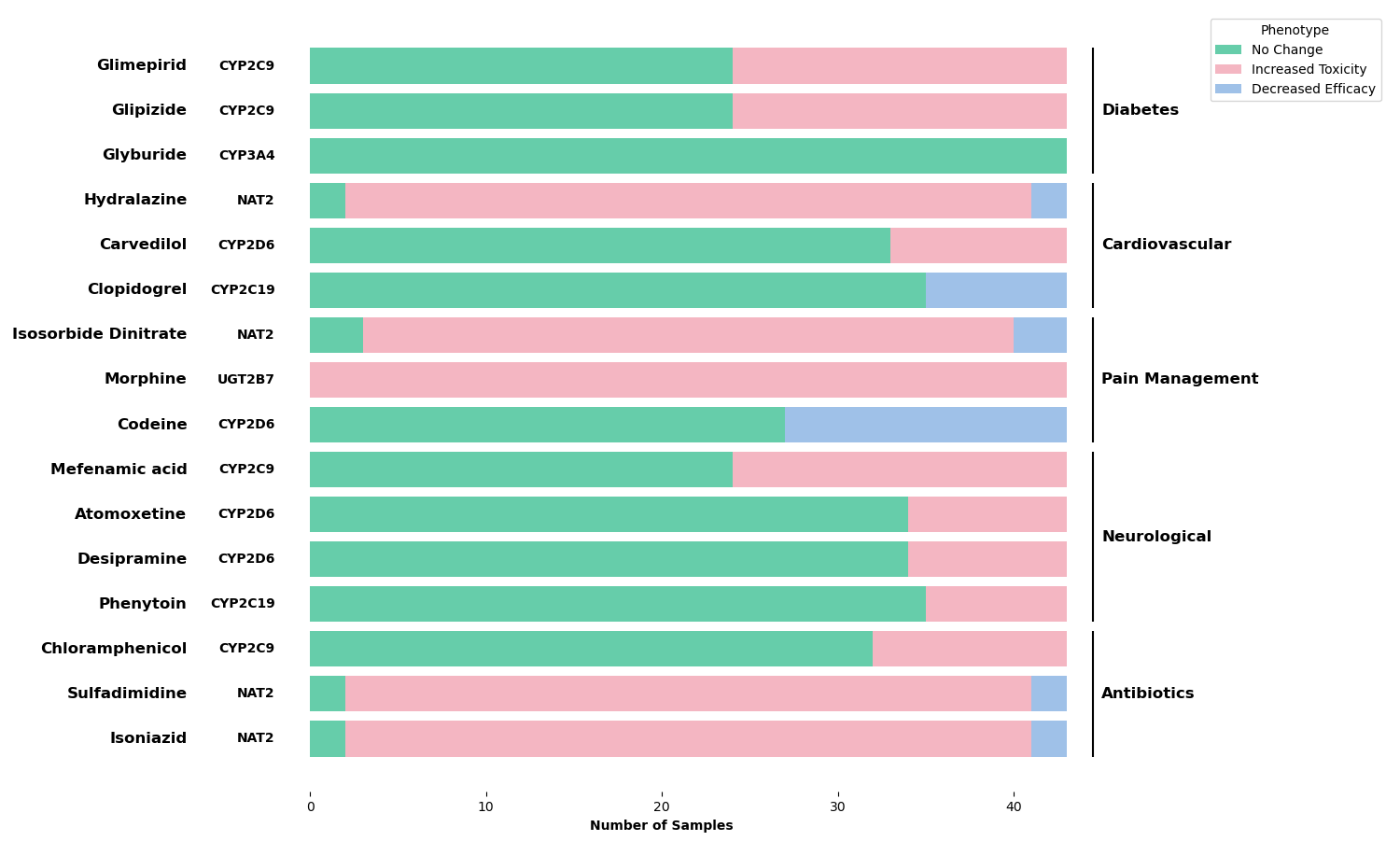
The horizontal bar chart illustrates the distribution of predicted phenotypic outcomes for commonly prescribed drugs across therapeutic categories Diabetes, Cardiovascular, Pain Management, Neurological, and Antibiotics based on NGS-based pharmacogenomic analysis. Each bar represents the number of samples classified into No Change, Increased Toxicity, or Decreased Efficacy, linked to gene variants in key drug metabolizing enzymes (CYP2C9, CYP2D6, CYP3A4, NAT2, UGT2B7). These insights enable clinicians to anticipate adverse drug reactions, optimize dosing, and select alternative therapies for improved patient safety and treatment efficacy.
Pharmacogenomic Variability Unlocks Precision Dosing
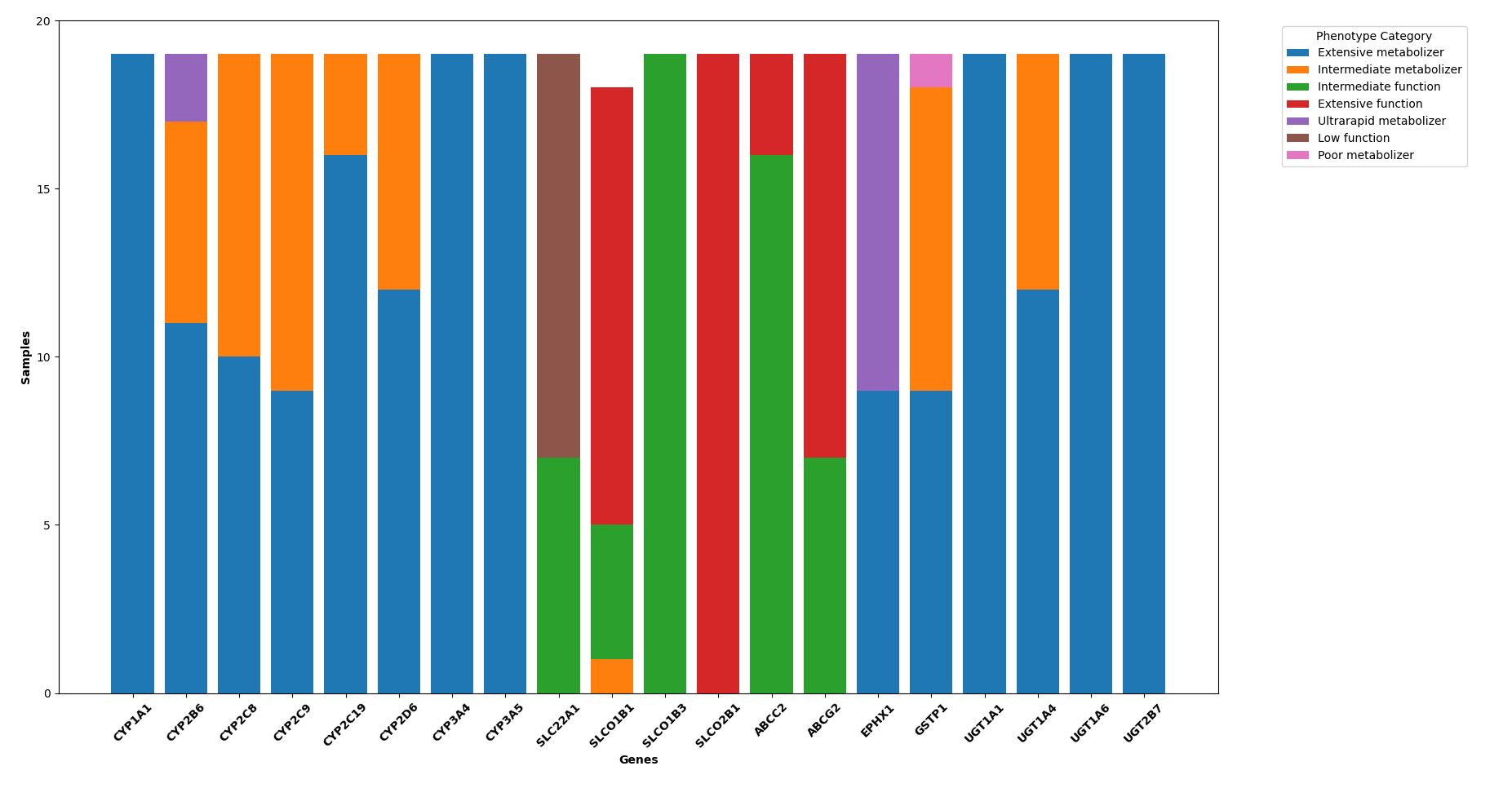
Stacked bars show metabolizer phenotypes and functional categories across key PGx genes (CYP, SLCO1B1, ABCG2). Variability in extensive, intermediate, poor, and ultrarapid metabolizers influences drug absorption, metabolism, and clearance critical for dose adjustment and therapy optimization in personalized medicine.
| Commercial Name | Old Cat No. | New Cat No. | Pack Size | Platform |
|---|---|---|---|---|
| Med4Me PGX NGS Test Kit | G2MMSP08001 | G710009-1 | 24 T | Illumina |
| G2MMSP08001 | G710009-2 | 96 T | Illumina | |
| G2MMSP08001 | G710009-3 | 96 T - EZY | Illumina - EZY | |
| Med4Me PGX NGS Test Kit | G2MMSP08001 | G710009-4 | 24 T | MGI |
| G2MMSP08001 | G710009-5 | 96 T | MGI | |
| G2MMSP08001 | G710009-6 | 96 T - EZY | MGI - EZY | |
| Med4Me PGX NGS Test Kit | G2MMSP08001 | G710009-7 | 24 T | Aviti |
| G2MMSP08001 | G710009-8 | 96 T | Aviti | |
| G2MMSP08001 | G710009-9 | 96 T - EZY | Aviti - EZY | |
| Med4Me PGX NGS Test Kit | G2MMSP08001 | G710009-10 | 24 T | Thermo |
| G2MMSP08001 | G710009-11 | 96 T | Thermo | |
| G2MMSP08001 | G710009-12 | 96 T - EZY | Thermo - EZY |
Since its inception in 2016, Genes2me has been constantly striving towards setting a benchmark in the diagnostics space by introducing premium quality (Made in India) diagnostic kits which are CE-IVD, ISO-13485:2016, and ISO 9001:2015 certified, assuring our clients of unparalleled quality and compliance with international standards.
© 2026 Genes2me. All rights reserved.